
Does RobotSpeed create duplicate content?
No. RobotSpeed uses advanced AI to generate unique articles for every query. It ensures that your content is fresh and original, avoiding penalties associated with duplicate text.
How quickly will I see results from brand awareness content?
SEO is a long-term strategy.
Typically, you will start seeing an uptick in impressions within 4 to 8 weeks of consistent posting. You'll usually start to see some significant traffic growth around the 3 to 6-month mark. So, can you use RobotSpeed for technical industries like law or medicine?
Can I use RobotSpeed for technical industries like law or medicine?
Absolutely.
The AI is more than capable of handling complex topics. That said, for highly regulated industries, we do always recommend a quick human review to make sure it's all compliant with specific industry standards.
Do I really need 30 articles a month?
So, do you really need 30 articles a month?
Think of it this way: in SEO, volume creates velocity. Even though you can post less, posting daily sends a powerful signal to Google that your site is active and an authority in your space.
What makes RobotSpeed different from ChatGPT?
It has a huge impact on how quickly you move up in the rankings.
And that brings up a common question: what makes RobotSpeed different from ChatGPT?
Think of it like this: ChatGPT is a writing tool, but RobotSpeed is a full-on SEO platform. Our system automates the whole process from start to finish—including providing backlink credits—and is built specifically to boost your search rankings, while ChatGPT still needs you to do all the prompting and manual management.
How does RobotSpeed compare to other AI content tools?
RobotSpeed focuses specifically on brand awareness content rather than generic blog posts. Unlike tools that optimize purely for SEO rankings, we structure articles around thought leadership and authority building.
The real difference shows up in E-E-A-T signals. Where most AI platforms produce formulaic content that search engines flag, our system integrates research grounding and natural writing patterns that pass both human readers and algorithm scrutiny. Pricing reflects this specialization—expect to invest more than basic content mills but less than full agency retainers.
What's the ROI timeline for brand awareness content?
Forget quick wins. Brand authority compounds slowly.
Most clients see initial traction around month three when Google starts indexing the content properly. Real momentum builds between months six and twelve as backlinks accumulate and topical authority strengthens. I've personally seen cases where a single pillar article drove consistent qualified traffic for eighteen months straight, but that's the exception rather than the rule.
The metric that matters isn't immediate conversions—it's how often your brand appears when prospects research solutions in your category. That shift takes patience.
Can I customize the AI writing style for my brand?
Yes, but customization has limits. We adapt tone, terminology, and structural preferences to match your brand voice during onboarding.
What we won't do: mimic overly casual styles that trigger AI detectors, or force unnatural keyword density that damages readability. The system balances your brand identity with proven patterns that perform in search results. Expect a collaborative refinement process over the first three to five articles as we dial in the right balance for your audience.
How do I track which content pieces drive the most conversions?
Set up UTM parameters on every article link you share externally, and configure goal tracking in Google Analytics for your key conversion events—demo requests, newsletter signups, contact form submissions. That's table stakes.
The nuance: brand awareness content rarely converts on first touch. Use multi-touch attribution models to see how articles assist conversions later in the journey. Look at assisted conversions rather than last-click attribution.
And the result? You'll often find that articles ranking for informational queries generate more qualified pipeline than bottom-funnel content, because they attract prospects earlier in the research phase when they're still forming opinions about viable solutions.
Why Brand Awareness Content is the Missing Link
Brand awareness often gets a bad reputation in the performance marketing world. People think it is just vanity metrics or billboards on a highway.
In the digital space, brand awareness is much more precise.
It is about showing up when potential customers ask questions.
Consider the journey a customer takes. Before they hire a real estate agent, they search for "how to increase home value." Before they hire a consulting firm, they might Google "management strategies for remote teams."
If your brand provides the answer, you win their trust. This is the foundation of robotspeed for brand awareness content strategies.
Here is the reality of the market right now.
- Information Overload: Users are bombarded with ads. They ignore them.
- Search Intent: Users trust organic search results that answer their questions efficiently.
- The Rule of 7: Marketing wisdom states a prospect needs to see your brand seven times before taking action.
For small teams, trying to create enough content by hand to hit that "seven times" benchmark is a fantasy.
It's a huge volume of writing that requires either huge budgets or lots of sleepless nights. And this is exactly where automation steps in to save the day.
The RobotSpeed Advantage: Volume Meets Authority
Using robotspeed for brand awareness content is how you can dominate your niche without ever needing to hire a massive editorial team.
Think about the math here.
That is one high-quality article every single day. Over a year, you are looking at 365 entry points into your website.
Most competitors in the AI writing space require you to prompt them. You have to sit there, engineer the prompt, edit the output, and then worry about distribution. It is still work.
RobotSpeed functions differently. It is a "done-for-you" engine.
It takes the heavy lifting out of the equation so you can focus on closing deals rather than writing blog posts.
📸 robotspeed.com
We see a major shift in how businesses approach SEO.
Not long ago, it was all about crafting one "perfect" article per month. These days, boosting organic traffic with AI means you need to cover a topic from every single angle.
You need to cover every angle of your industry. RobotSpeed allows you to do exactly that.
Comparing Top-of-Funnel Solutions
Let's look at how the market currently handles content creation versus the RobotSpeed approach.
| Feature | Freelance Writers | Standard AI Tools (ChatGPT/Jasper) | RobotSpeed |
|---|---|---|---|
| Cost | High ($100+ per post) | Low Subscription ($20-$60) | Included in Platform |
| Speed | Slow (3-5 days turnaround) | Medium (Requires prompting) | Instant (30 posts/month automated) |
| SEO Focus | Varies by writer | Manual optimization needed | SEO-First Architecture |
| Backlinks | None involved | None involved | 100 Daily Credits included |
The table really lays it all out.
Leveraging AI Content for Informational Keywords
The secret sauce to a full funnel is targeting the right keywords. You do not want to target "Buy shoes" immediately.
That is too competitive and expensive.
You want to use AI content for informational keywords.
These are the "How," "What," "Why," and "When" searches.
Informational keywords have massive search volumes. They are easier to rank for because the intent is educational, not transactional.
When you use RobotSpeed to generate content for these terms, you position your brand as the expert.
Finding the Right Questions
How do you know what your audience is asking?
You don't need to guess.
Start by looking at the "People Also Ask" section in Google. If you are in the health business, type in "back pain." Google will tell you that people are asking about stretches, posture, and office chairs.
Those are your blog topics. With RobotSpeed, you can plug these topics in and generate comprehensive guides in seconds.
This strategy builds a library of helpful resources.
When a user lands on your site to learn about "office chair posture," they see your logo. They read your advice.
You have made the first contact.
You are no longer a stranger selling a service; you are a helpful resource.
Advanced Content Personalization and Targeting
Most businesses treat content like a broadcast: one message for everyone. That approach wastes opportunities. Each visitor arrives with distinct needs—a Zürich-based fintech CFO researching compliance software has different priorities than a Basel retailer evaluating inventory tools. Generic content addresses neither effectively. The platform's competitor audit and content gap analysis capabilities identify which topics resonate with specific segments, enabling teams to craft variations that speak directly to each audience's circumstances rather than forcing a one-size-fits-all narrative.
Creating Buyer Persona Content Maps
Effective personalization starts with mapping content to decision-maker roles. A procurement manager evaluates vendor stability and integration costs. An end-user cares about daily workflow efficiency. Building persona-specific content means adjusting emphasis, not rewriting from scratch. Use the automated research tools to surface questions each persona asks—then structure your articles to answer those questions in the opening paragraphs. For technical buyers, lead with specifications and compatibility details. For executives, open with ROI implications and risk mitigation. This segmentation framework integrates naturally when you explore what is robot speed used for across different organizational contexts.
Geographic Targeting for Local Authority
Small. Local references build trust faster than vague generalities. A Lausanne consulting firm gains more credibility mentioning Canton de Vaud regulations than citing generic "Swiss requirements." The content gap analysis reveals location-specific search patterns—terms including city names, regional dialects, or local competitors. Incorporate these naturally. Reference nearby landmarks, regional business customs, or cantonal policy differences that affect your service delivery. This geographic precision signals you understand the market's nuances, which generic competitors miss entirely.
Industry-Specific Content Variations
Manufacturing clients need different proof points than healthcare providers. Rather than producing separate articles for each vertical, create modular content blocks that swap industry-specific examples while maintaining core structure. The trend-spotting functionality identifies sector conversations—use those insights to adjust terminology, case contexts, and compliance references. A section on data security mentions GDPR for general audiences but specifies medical device regulations for healthcare readers. This targeted approach complements techniques covered in our RobotSpeed tutorial for beginners and differs from broad-stroke tools detailed in RobotSpeed vs Copy.ai for SEO comparisons.
The Backlink Engine: Fueling Brand Awareness
Content is fire, but backlinks are gasoline.
You can write the best content in the world, but if no other websites link to it, Google might not see it as authoritative. This is a common pitfall for businesses trying to increase their SEO results.
Most AI writing tools stop at the writing phase. They just hand you a wall of text and pretty much say, "Good luck getting anyone to see this." This is why using RobotSpeed for your brand awareness content is so incredibly powerful.

We built backlink automation right into the workflow.
With 100 backlink credits to use every day, you're not just publishing into the void.
You are shouting from the rooftops.
Backlinks signal to search engines that your content is valuable.
This pushes your informational articles higher in the search results. Higher rankings mean more eyeballs, and more eyeballs mean better brand awareness.
Industry Strategies: How to Apply RobotSpeed
Different industries require different approaches to brand awareness. Let's break down how AI-powered content generation works across specific sectors.
For Real Estate Businesses
In real estate, trust is the name of the game.
People don't buy homes from total strangers.
They buy from the local expert they know and trust. So, instead of just posting listings, use RobotSpeed to create really helpful neighborhood guides.
You could write about the best local schools, the history of a specific suburb, or even upcoming construction projects that people are talking about.
- Idea: "The Top 5 Hiking Trails in [City Name]"
- Idea: "A First-Timer's Guide to Inspecting a Victorian Home"
- Idea: "Everything You Need to Know About Property Taxes in 2026"
These kinds of articles are absolute gold for attracting both locals and people looking to move into the area.
For Health Sector Businesses
You connect with them way earlier in the moving process. Now, for health-related businesses, we know these kinds of questions are sensitive.
You've got to have authoritative, clear content. The challenge is that clinics often struggle because their medical staff just don't have the time to sit down and write blog posts.
So, use automated content tools to answer all those common patient questions. It takes so much pressure off your front desk and actually educates patients before they even walk in the door.
Example Strategy: For instance, a physiotherapy clinic could generate 30 articles in a single month that are all focused on "ergonomics for remote workers."
For SaaS Companies
Software businesses need thought leadership content that demonstrates expertise without being overly technical. Focus on problem-solving articles that address your target users' pain points.
A project management tool could publish guides on "Agile Sprint Planning for Distributed Teams" or "How to Run Effective Standup Meetings in 2026."
For Marketing Agencies
Agencies are often the "cobbler's children." They do great marketing for clients but have no time for their own.
Using robotspeed for brand awareness content allows an agency to practice what they preach. You can fill your blog with latest trends, definitions of complex marketing terms, and guides on digital tools.
For E-commerce Businesses
If you sell hiking boots, don't just write about boots.
Write about the hike. Write about how to pack a backpack or how to treat a blister.
This attracts the hiking enthusiast. Once they are on your site reading about trail safety, you can gently suggest: "By the way, these boots have great ankle support."

Boosting Organic Traffic with AI Precision
Traffic is the lifeblood of any online business. However, paid traffic is becoming prohibitively expensive.
Cost Per Click (CPC) rates are rising across Facebook and Google Ads.
The only sustainable way to grow is boosting organic traffic with AI.
Organic traffic is free, compounding, and typically has a higher conversion rate over the long term.
When you use RobotSpeed, you aren't just throwing spaghetti at the wall. You are building a content fortress.
Here is what happens when you commit to posting 30 articles a month:
- Month 1: Google notices the activity. Crawlers visit your site more frequently.
- Month 3: You start ranking for long-tail keywords (specific, lower competition phrases).
- Month 6: Your domain authority creates a "halo effect," helping your main service pages rank higher.
Consistency is the key variable here. Search engines love fresh content. A stagnant site looks like a dead business to a search engine algorithm.
Statistics reinforce this. Companies that blog generate 67% more leads per month than those that don't.
Yet, finding the time is the hurdle. RobotSpeed removes the hurdle.
The Role of Internal Linking
Another powerful strategy you can automate is internal linking. When RobotSpeed generates content, it provides opportunities to link your new informational articles to your money pages.
Imagine you have a "Service Page" selling consulting. You generate 30 blog posts about business strategy. Each of those blog posts should have a link pointing to the Service Page.
This funnels that brand awareness traffic directly to where the sales happen. It guides the user from "Just looking" to "I need this help."
Setting Up Your Brand Awareness Machine
Getting started with robotspeed for brand awareness content is straightforward. The goal is to move from manual labor to strategic oversight.
First, identify your core topics.
Don't think about keywords yet; think about topics. If you are a lawyer, your topics are "divorce process," "custody laws," or "asset division."
Next, let the AI handle the expansion. Input these topics into the platform. It will generate the variations needed to cover the ground.
Ensure you utilize the daily backlink credits.
Consistency is crucial here too. Don't use all credits on one day and zero the next.
Spread them out to look natural to search engines.
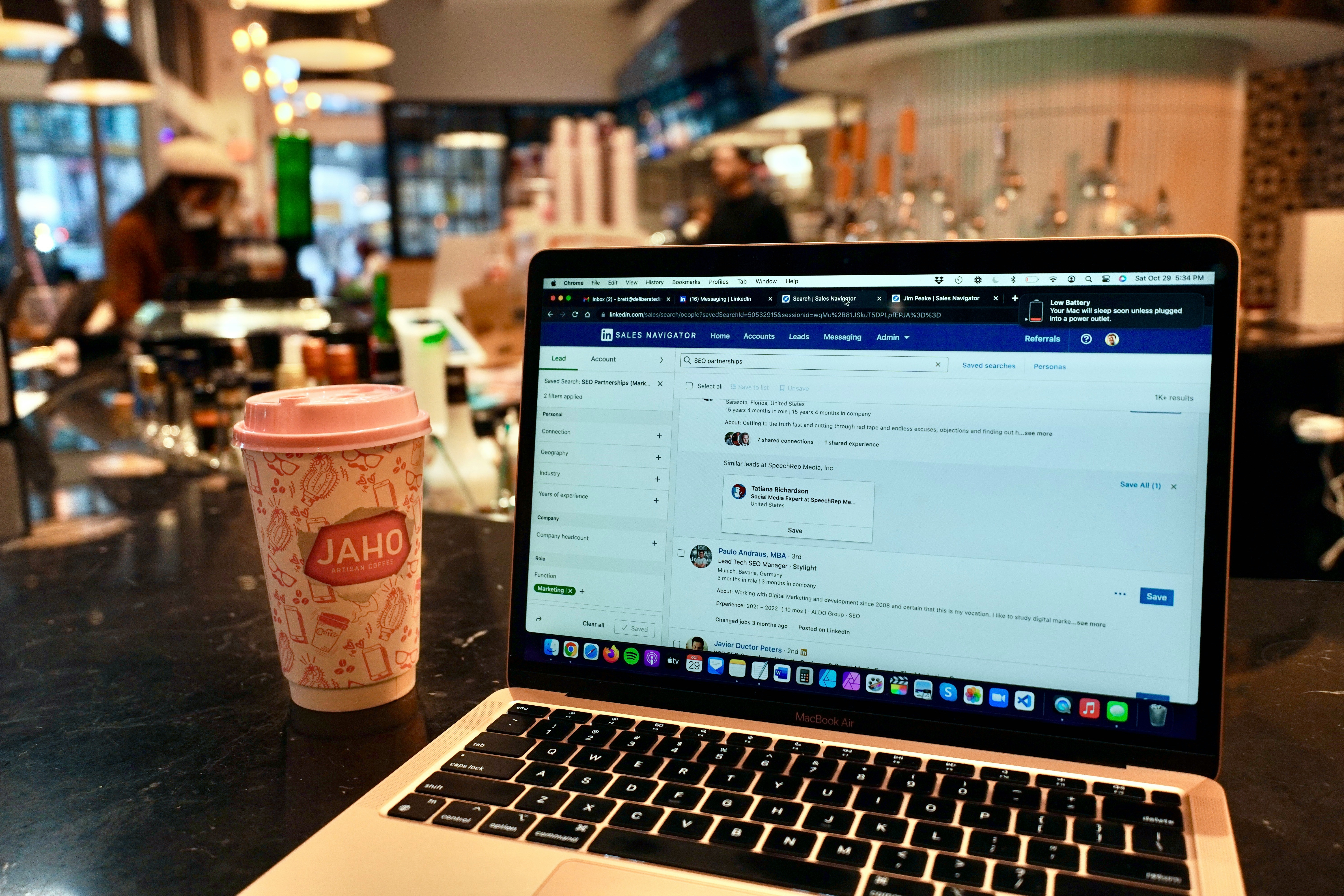
Monitor your analytics. Using tools like Ahrefs or Google Search Console will show you which of these new pages are gaining traction.
When you see a page getting traffic, that is your signal.
Go into that page and add a stronger Call to Action (CTA).
Add a lead magnet, like a free PDF or a consultation link.
This turns your passive brand awareness content into an active lead generation machine.
Overcoming the "AI Content" Stigma
There is a lot of talk about whether Google penalizes AI content. The consensus from search experts, including statements from Search Engine Land, is that Google cares about quality, not authorship.
If the content is helpful, it ranks. It doesn't matter if a human or a robot wrote it.
However, quality control is vital.
RobotSpeed is designed to create high-quality structures, but adding your personal touch can make it even better.
Detailed prompts and reviewing the output ensures the brand voice remains consistent.
Use AI content for informational keywords to do the heavy lifting of research and drafting.
This frees you up to add the "human" elements—personal anecdotes, case studies from your client files, or specific local knowledge.
This hybrid approach is unbeatable.
You get the speed of AI with the nuance of human experience.
Measuring the Impact on Your Funnel
How do you know if robotspeed for brand awareness content is working? You need to look at specific metrics. Do not just look at sales immediately. Brand building takes time to percolate down the funnel.
Start with "New Users" in Google Analytics 4. This number should spike as your informational articles start ranking. These are people who have never heard of you before—the purest signal of expanding reach.
Check "Average Engagement Time" (replacing the old "Time on Page" metric in GA4). Quality content keeps people reading. If they stay for 2-3 minutes, they are engaging with your message.
Most importantly, examine "Assisted Conversions" in your attribution reports. This metric shows if a user read an informational piece first, left, and returned later to buy. This is the ultimate proof that your top-of-funnel strategy works.
According to HubSpot, companies that prioritize blogging are 13x more likely to see positive ROI through 2026. The data is clear.
Conclusion
The digital landscape is noisy. To be heard, you don't need to shout louder; you need to be present more often.
Using robotspeed for brand awareness content solves the two biggest problems in marketing: volume and distribution. By automating the creation of 30 monthly articles and facilitating backlinks, you ensure your brand is always part of the conversation.
You stop chasing customers and start attracting them. You become a magnet, not a megaphone.
And honestly, whether you run a real estate firm, a health clinic, or an e-commerce store, the principle is the exact same.
Whether you run a real estate firm, a health clinic, or an e-commerce store, the principle remains the same. Provide value first. Answer questions.
Be helpful.
When you do this at scale, you fill the top of your funnel with qualified, interested visitors.
Over time, these visitors become your most loyal customers.
Ready to automate your growth?
Stop writing manually and start scaling. Try RobotSpeed today and turn your website into a 24/7 lead generation machine.
FAQ
Does RobotSpeed create duplicate content?
No. RobotSpeed uses advanced AI to generate unique articles for every query. It ensures that your content is fresh and original, avoiding penalties associated with duplicate text.
How quickly will I see results from brand awareness content?
SEO is a long-term strategy.
Typically, you will start seeing an uptick in impressions within 4 to 8 weeks of consistent posting. You'll usually start to see some significant traffic growth around the 3 to 6-month mark. So, can you use RobotSpeed for technical industries like law or medicine?
Can I use RobotSpeed for technical industries like law or medicine?
Absolutely.
The AI is more than capable of handling complex topics. That said, for highly regulated industries, we do always recommend a quick human review to make sure it's all compliant with specific industry standards.
Do I really need 30 articles a month?
So, do you really need 30 articles a month?
Think of it this way: in SEO, volume creates velocity. Even though you can post less, posting daily sends a powerful signal to Google that your site is active and an authority in your space.
What makes RobotSpeed different from ChatGPT?
It has a huge impact on how quickly you move up in the rankings.
And that brings up a common question: what makes RobotSpeed different from ChatGPT?
Think of it like this: ChatGPT is a writing tool, but RobotSpeed is a full-on SEO platform. Our system automates the whole process from start to finish—including providing backlink credits—and is built specifically to boost your search rankings, while ChatGPT still needs you to do all the prompting and manual management.